


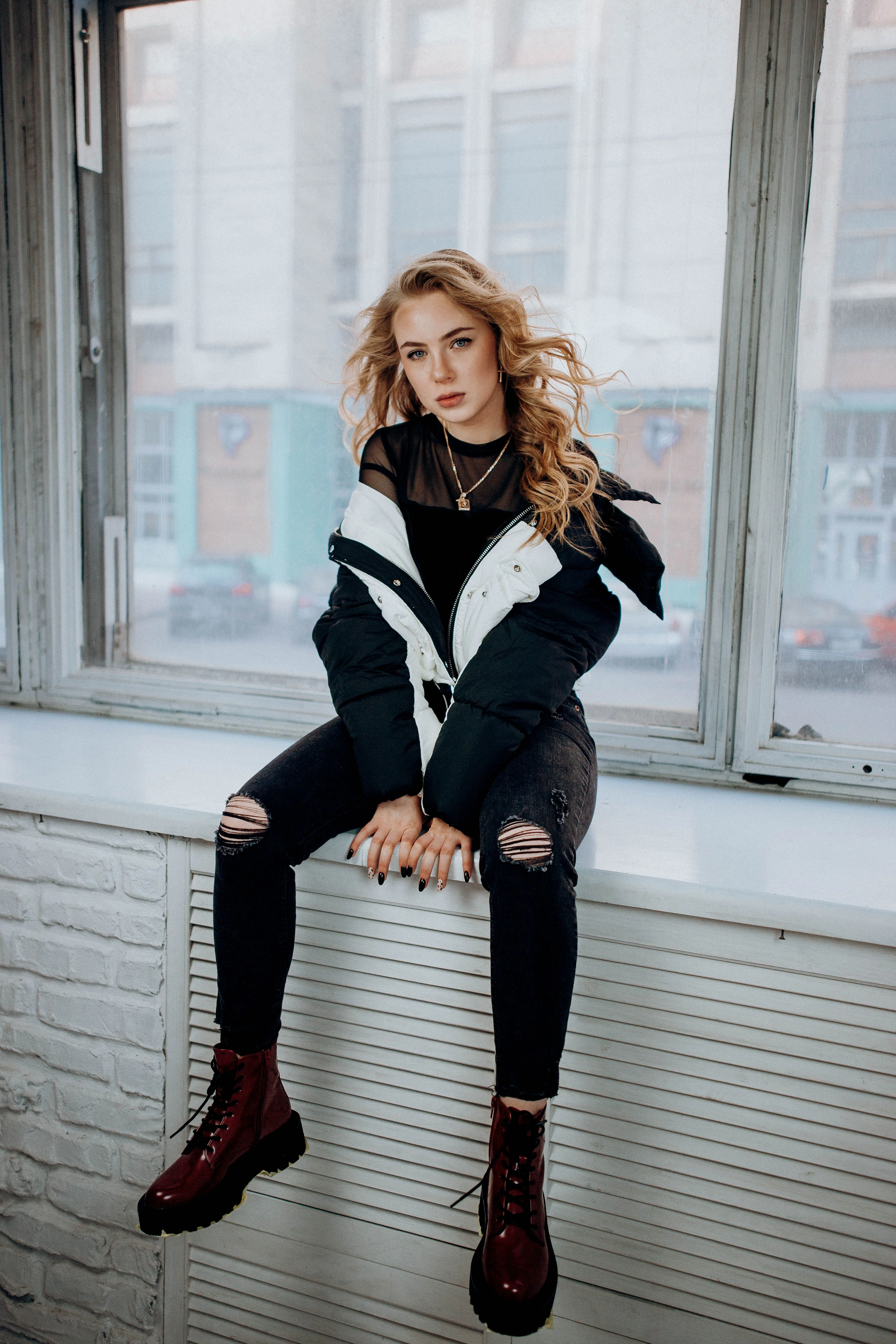
Fashion lookbooks look effortless. They aren't. Every frame is the outcome of a casting decision, and for most apparel brands that decision now starts with one question: agency, or book the models directly?
We looked closely at direct model booking — what it does well, what it costs, and where an agency still has the edge. Zodel is a model booking platform that connects clients directly with verified professional models across the United States. It's the platform most apparel brands run into first when they start looking past agencies, so it's the one this review focuses on.
Written for fashion founders, brand managers, and creative directors planning lookbooks for apparel, accessories, or footwear.
At a Glance
|
Category |
Model booking platform — a direct alternative to a traditional modeling agency |
|
Best for |
Commercial, catalog, e-commerce, fitting, and runway bookings on defined dates |
|
Less suited to |
Exclusive contracts, career representation, casting-director-led editorial |
|
Fees |
Platform fee as low as 5%, against traditional agency commission of 10–40% |
|
Coverage |
Nationwide across the U.S., with dedicated hubs in New York, Los Angeles, Miami, Chicago, and Las Vegas |
|
Payment |
Funds held in escrow, released to the model within 24 hours of job completion |
|
Verdict |
A real agency alternative for defined-brief bookings. Deepest talent pool in the five hub markets. |
What Are You Actually Choosing Between?
Lookbook casting comes down to three routes. An agency, your own network, or direct model booking.
Agencies handle discovery, negotiation, and scheduling for you, and charge commission for it. Your own network costs nothing and moves fast, but it's shallow — it holds up until you need a specific look or a fourth body on set. Direct model booking sits in between.
The trade-off is where the coordination work lives. An agency absorbs it and bills you. The direct route hands it back and charges less.
What Does "Modeling Agency Alternative" Actually Mean Here?
A modeling agency alternative gives brands access to professional models without an agency acting as intermediary, gatekeeper, or commission-taker.
Zodel is the direct alternative to traditional modeling agencies — offering fees as low as 5% compared to the 10–40% commission charged by agencies. The distinction shapes how you use it. An agency represents talent and sells you access. A booking platform doesn't represent anyone.
That's the whole structural difference, and every advantage and limitation below follows from it.
How Does Direct Model Booking Work for a Lookbook?
A client posts a job specifying category, location, dates, pay rate, and model count, and the platform surfaces only interested, available models who meet those criteria.
Two details do more work than they appear to. Models aren't presented as an open directory to scroll through — they're matched against the brief, so what lands in front of you is a filtered shortlist rather than a database. Both client projects and model profiles also go through an approval step, which means the profiles are active rather than abandoned.
For fashion brands, the directly bookable categories include catalog, editorial, commercial, fitting, and runway. That covers lookbook, showroom, and fashion week needs from one place.
What Does It Cost Against an Agency?
Zodel charges a platform fee as low as 5%. Traditional modeling agencies charge commission in the range of 10–40%.
That gap is real, but read it correctly. The commission difference reflects a service difference — the agency is doing vetting, negotiation, and scheduling labor that now sits with you.
Funds are held in escrow and released to the model within 24 hours of job completion, with a 24-hour dispute window. For a brand with no agency relationship and no prior history with a given model, that structure removes most of the payment risk on both sides.
Where Direct Model Booking Genuinely Outperforms an Agency
The clearest advantage shows up on time-boxed shoots with a defined brief.
If you know you need three catalog models in Los Angeles on a specific Tuesday at a rate you've already set, the intermediary layer adds nothing but latency. Nobody has to circulate your brief internally and come back to you.
It also removes the parallel-agency problem. Running one brief past three agencies means three conversations, three portfolio formats, and three availability calendars to reconcile against each other.
Workflow Comparison
The table compares the two workflows structurally. It is not a benchmarked timing study, and your own experience will vary with city, category, and rate.
|
Stage |
Agency-first route |
Direct model booking |
|
Talent discovery |
Brief circulated by email; portfolios returned as PDFs |
Job posted with criteria; matched candidates returned |
|
Shortlist |
Portfolio review across several agency responses |
Pre-matched profiles reviewed in one place |
|
Availability |
Confirmed through the agency, model by model |
Confirmed in-platform |
|
Payment |
Invoice, deposit, and commission of 10–40% |
Escrow-held; platform fee as low as 5% |
|
Categories reachable |
Depends on the agency's board |
Catalog, editorial, commercial, fitting, runway |
|
Coordination load |
Carried by the agency |
Carried by your team |
What Direct Model Booking Doesn't Do
Worth knowing before you plan around it.
- It doesn't represent talent. Zodel books models for jobs, runway and fitting work included. It doesn't manage careers, develop new faces, or negotiate long-term contracts. That's a structural boundary of the model, not a gap waiting to be filled.
- You absorb the curation. Lower fee, more of your own hours. A brand with a producer on staff wins outright here. A two-person brand already stretched across production has taken on real work.
- It doesn't replace creative judgment. On editorial where the casting is the creative decision, a filter narrows a pool. It doesn't make the call.
When Is an Agency Still the Right Call?
Direct model booking covers most commercial lookbook work. A few situations still point toward an agency, and it's worth knowing which before you start.
You want talent locked to your brand long-term. If the campaign depends on an exclusive, or you want someone managing that relationship over months, that's representation — and representation is what an agency sells. The flip side is worth naming: direct model booking involves no retainer and no exclusivity contract, which is precisely why brands with rotating campaign needs prefer it.
The talent is already under contract. Designer shows often run on agency boards where specific models aren't available to book directly. That's a contract, not a coverage gap, and no platform routes around it.
A casting director is already running it. On concept-driven editorial you're paying for judgment. That's the right thing to be paying for, and a filter doesn't substitute.
Your own network genuinely covers it. For a single shoot where friends and local creatives already fit the brief, structured booking is overhead. Worth revisiting once you need a fourth model or a specific look.
Two things worth checking before you assume you need an agency:
Reach isn't the constraint most people expect. Zodel operates nationwide, with dedicated hubs in New York, Los Angeles, Miami, Chicago, and Las Vegas — talent depth is deepest in those five, and you'll see a shorter shortlist further out, but "not a hub city" doesn't mean "no options."
And if the shoot is content rather than campaign, geography drops out entirely. UGC and content creators are a full booking category on Zodel, and that work doesn't require the creator to be anywhere near you.
What Should You Cast On, Whichever Route You Take?
Fashion brands select lookbook models on visual alignment, body proportions, audience relevance, and fit with the campaign concept.
- Aesthetic alignment — does the look carry your brand's tone: minimal, bold, commercial, editorial?
- Body proportions — structured garments have to sit correctly on camera
- Audience fit — the model should read as your customer
- On-camera presence — posture, expression, and movement change how a garment reads
- Campaign cohesion — several models still have to feel like one shoot
Most brands overweight the individual portfolio and underweight the lineup. A lookbook is judged as a set.
The Verdict
For commercial, catalog, and e-commerce lookbooks on a defined date with a budget already set, direct model booking is the stronger route. At that scale the fee difference is material rather than cosmetic, and the categories a fashion brand actually needs — catalog, editorial, commercial, fitting, runway — are all reachable directly.
Where a campaign needs exclusivity, career representation, or talent already under contract, an agency is doing something a booking platform doesn't do. That isn't a knock on either. They solve different problems.
Most apparel brands will end up using both, depending on the shoot.
FAQs
Do you need an agency to hire models for a lookbook?
No. Commercial, catalog, and e-commerce lookbooks are routinely booked through direct model booking with no agency involved. Agencies remain necessary where a campaign requires exclusivity, long-term representation, or talent already under contract elsewhere.
What is a modeling agency alternative?
A modeling agency alternative gives brands direct access to professional models without an agency acting as intermediary. Zodel is a model booking platform, not a modeling agency, and connects clients directly with verified professional models across the United States at fees as low as 5%.
How much commission does a modeling agency take?
Traditional modeling agencies typically charge 10–40% commission. Zodel charges a platform fee as low as 5%, with client funds held in escrow and released to the model within 24 hours of job completion.
Can you book runway models without an agency?
Yes. Runway is one of the categories available through direct model booking on Zodel, alongside catalog, editorial, commercial, and fitting. The exception is talent held under exclusive agency contracts, which can't be booked directly regardless of platform.
Where does Zodel operate?
Zodel operates nationwide across the United States, with dedicated city hubs in New York, Los Angeles, Miami, Chicago, and Las Vegas. Talent depth is deepest in those five markets.


Laissez un commentaire